A recently published clinical investigation in the International Endodontic Journal reports that endodontic treatment protocols incorporating Reciproc instruments were associated with notably improved long-term outcomes compared with more traditional approaches. The study spans 25 years of clinical activity and includes outcomes from 14,233 teeth, making it one of the most extensive in-vivo datasets available in endodontics.
The retrospective cohort study was conducted by teams at Christian-Albrechts-University Kiel (Germany), October University for Modern Sciences and Arts (Cairo, Egypt), and the Dental Academy for Continuing Professional Development (Karlsruhe, Germany). Researchers evaluated three endodontic treatment protocols using advanced statistical tools, including entropy balancing and multistate analysis, to strengthen the reliability of the findings.
Protocol 3, which included the use of Dentsply Sirona's Reciproc instruments together with passive ultrasonic irrigation (PUI), EDTA, apex locators, warm vertical obturation techniques, and a calcium silicate–based sealer, was applied to 7,116 teeth. In alignment with the manufacturer’s instructions for use, no initial glide path was created except in the few cases where Reciproc instruments could not reach full working length. When compared with traditional hand instrumentation (Protocol 1; n=5,450) and rotary NiTi systems (Protocol 2; n=1,667), Protocol 3 demonstrated substantially more favorable outcomes.
Key Findings
The results emphasize that the choice of treatment protocol can significantly influence clinical outcomes. The authors note that certain design features of Reciproc instruments—particularly their ability to achieve canal patency without a preliminary glide path—may have contributed to the differences observed. Teeth treated with Protocol 3 showed:
- Tooth survival rates 30–40% higher over the long term
- 66% reduction in non-surgical retreatments
- 57% reduction in surgical retreatments
- 21% reduction in tooth extractions
"This study provides strong clinical evidence that treatment protocols incorporating Reciproc instruments significantly enhance endodontic outcomes," said Prof. Ghassan Yared, inventor of single file reciprocation and the Reciproc Blue.
“The study validates what we've observed in practice: that Reciproc technology enables better outcomes for patients,” said Mathias Kraus, Vice President Endodontic Solutions at Dentsply Sirona. “Having robust clinical evidence spanning 25 years and over 14,000 cases give endodontists the confidence to adopt protocols that can significantly improve their workflow success rates. We're committed to advancing endodontic care through evidence-based innovation, and these results demonstrate the real-world impact.”
Context for Dental Professionals
Reciproc Blue is the latest iteration of reciprocating instrumentation systems derived from the original Reciproc concept. The system is designed for single-file canal preparation and is compatible with the X-Smart® Pro+ motor, which provides reciprocating motion control and includes an integrated apex locator and auto-reverse function. The system aims to streamline canal preparation while supporting predictable shaping outcomes.
Prospective randomized controlled trials involving more than 1,500 patients have previously reported favorable performance and safety profiles for treatment protocols using Reciproc instruments. The present long-term cohort study contributes additional real-world evidence relevant to treatment planning, instrumentation choices, and protocol optimization for endodontic care.
Figures and Images
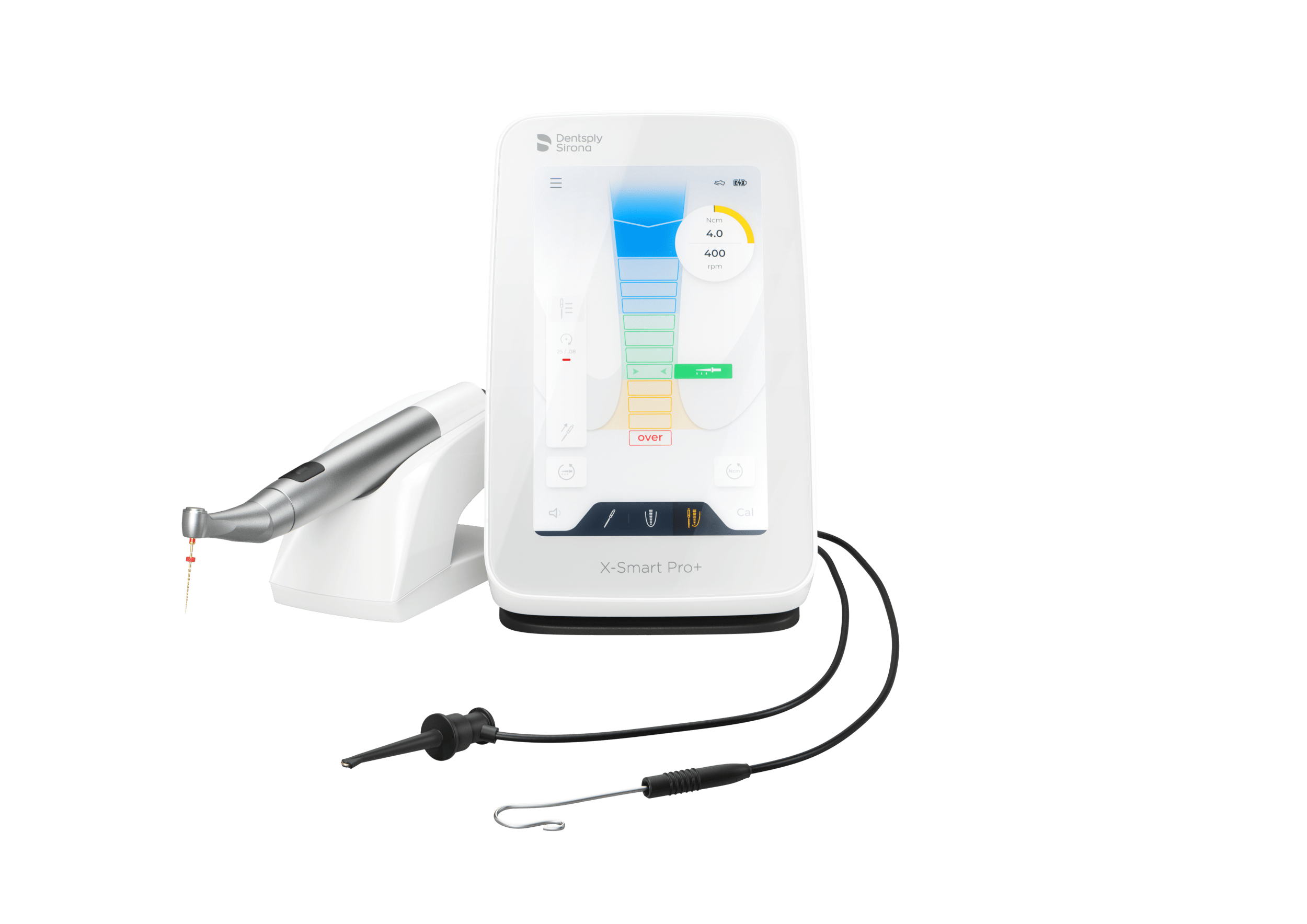
X-Smart® Pro+
