The digital transformation of dentistry has dramatically helped clinicians improve the way they diagnose conditions, plan treatment, and deliver restorative care to patients. Advances in intraoral scanning, three-dimensional imaging, digital photography, and artificial intelligence continue to improve diagnostic accuracy, workflow efficiency, and clinical predictability. These innovations have appropriately been grouped under the broad category of digital dentistry.
While these technologies continue to evolve, their greatest contribution to clinical practice may extend beyond technical performance. Increasingly, digital visualization is changing one of the most challenging aspects of comprehensive care by helping patients understand their oral health well enough to make confident treatment decisions together with their doctors.
Dentistry remains one of the most trusted professions in the United States, yet healthcare decision-making has become considerably more complex. Patients routinely seek information from multiple sources, including online resources, family members, social media, and other healthcare providers before accepting treatment recommendations. As a result, successful treatment planning depends on making an accurate diagnosis and on effectively communicating that diagnosis in a manner patients can understand.
In my own practice, this realization has changed the way we think about digital technology. Rather than viewing intraoral scanning solely as a method for replacing conventional impressions or improving restorative workflows, we now view digital visualization as one of the most valuable communication tools available in comprehensive dentistry.
Beyond Digital Dentistry
The phrase “digital dentistry” accurately describes the technologies that have transformed modern clinical practice. However, it does not fully describe how those technologies are changing the patient experience.
I have begun thinking about this evolution as “visual dentistry,” the intentional use of digital visualization to improve patient understanding, facilitate shared decision-making, and strengthen communication throughout diagnosis and treatment.
Visual dentistry does not replace digital dentistry. Rather, it represents its next evolution. Traditional digital workflows focus primarily on improving the way clinicians collect information and deliver treatment. Visual dentistry focuses on helping patients see and understand that information. This distinction may seem subtle, but its impact on patient care can be profound.
Establishing a Visual Baseline
One of the most significant changes we have implemented in our practice has been universal digital scanning. Although many practices associate intraoral scanning primarily with restorative procedures or orthodontic treatment, its value extends well beyond these applications.
Routine scanning establishes a three-dimensional visual baseline that documents a patient’s oral condition at a specific moment in time. As additional scans are obtained throughout the patient’s lifetime, these records become a longitudinal visual history of oral health.
Unlike isolated photographs or study models, serial digital scans allow clinicians and patients to observe subtle changes that occur gradually over months or years. This capability can fundamentally change patient communication because disease progression no longer relies solely on verbal explanation. It becomes directly observable.
Clinical Application: Visualizing Disease Progression
The impact of longitudinal visualization became particularly evident to me in the management of a patient presenting with progressive erosive tooth wear associated with chronic acidic exposure.
Over several years, routine examinations consistently demonstrated continued enamel loss and deterioration of occlusal anatomy. Clinical photographs documented isolated areas of wear, while traditional diagnostic records captured individual moments in time. Despite repeated conversations regarding the long-term consequences of continued erosion, the patient remained hesitant to pursue comprehensive restorative treatment.
Because digital scans had been captured consistently over approximately five years, I used the TimeLapse technology available with the iTero Lumina™ intraoral scanner to provide the patient with a direct comparison between historical and current scans.
Using sequential visualization, I was able to demonstrate the progressive shortening of incisal edges, flattening of occlusal surfaces, and cumulative loss of tooth structure that had occurred gradually over time.
Importantly, neither my diagnosis nor my previously recommended treatment had changed. With the benefit of visualization over time, the patient’s understanding did. Rather than relying exclusively on my interpretation of the findings, the patient was able to observe disease progression firsthand. Once the changes became visible, the rationale for comprehensive rehabilitation became immediately understandable.
The technology did not alter the diagnosis. Visualization altered the conversation.
Visualizing Complex Treatment
The principles of visual dentistry extend well beyond disease diagnosis. Patients requiring interdisciplinary treatment frequently struggle to understand why treatment must occur in multiple phases or involve several providers. Orthodontic therapy, periodontal treatment, implant placement, and restorative rehabilitation often represent a logical clinical sequence but can appear overwhelming from the patient’s perspective.
To improve communication, our practice routinely develops individualized visual treatment reports using annotated screen captures obtained from the patient’s digital scan. Existing conditions, proposed treatment objectives, sequencing of care, and anticipated restorative outcomes are illustrated in a format patients can review long after they leave the consultation.
These reports frequently become valuable communication tools for spouses, adult children, caregivers, referring specialists, and laboratory technicians. Rather than relying on verbal recollection, everyone involved in the patient’s care references the same visual information.
Although the treatment itself is still complex, patients understanding is much clearer.
Technology Should Strengthen Relationships
We can expect that digital technology will continue to evolve. Artificial intelligence will further improve diagnostic capabilities. Imaging technologies will become faster and more comprehensive. Restorative workflows will continue to become increasingly efficient and predictable.
These innovations are important, but I believe their greatest impact will not be measured solely by improvements in speed or accuracy. Instead, their lasting contribution may be determined by their ability to strengthen the relationship between clinicians and patients.
Visualization creates an opportunity to transform patient conversations from explanations into shared observations. Rather than asking patients to imagine disease progression or simply accept our recommendations, we can invite them to see it themselves.
The objective of visual dentistry is not to improve treatment acceptance. Its objective is to improve patient understanding. When patients clearly understand their diagnosis, the reasons for treatment, and the consequences of delaying care, informed decisions become easier. In many cases, increased treatment acceptance is simply the natural consequence of better understanding.
Conclusion
The evolution of digital dentistry has dramatically improved the technical aspects of patient care. The next opportunity may lie not in acquiring more information, but in communicating that information more effectively.
Digital visualization has the potential to redefine the patient experience by improving understanding, facilitating shared decision-making, and strengthening interdisciplinary communication. As intraoral scanning technologies such as the iTero Lumina continue to evolve, their greatest contribution may not be the scans they produce, but the conversations they enable.
Perhaps the future of dentistry will not be defined solely by how accurately we diagnose disease, but how we help patients better understand its impact on their oral health.
Disclosure
Dr. Bell is a consultant to Align Technology. The views and opinions expressed in this article are her own and do not necessarily reflect the views, positions, or policies of Align Technology.
Figures and Images
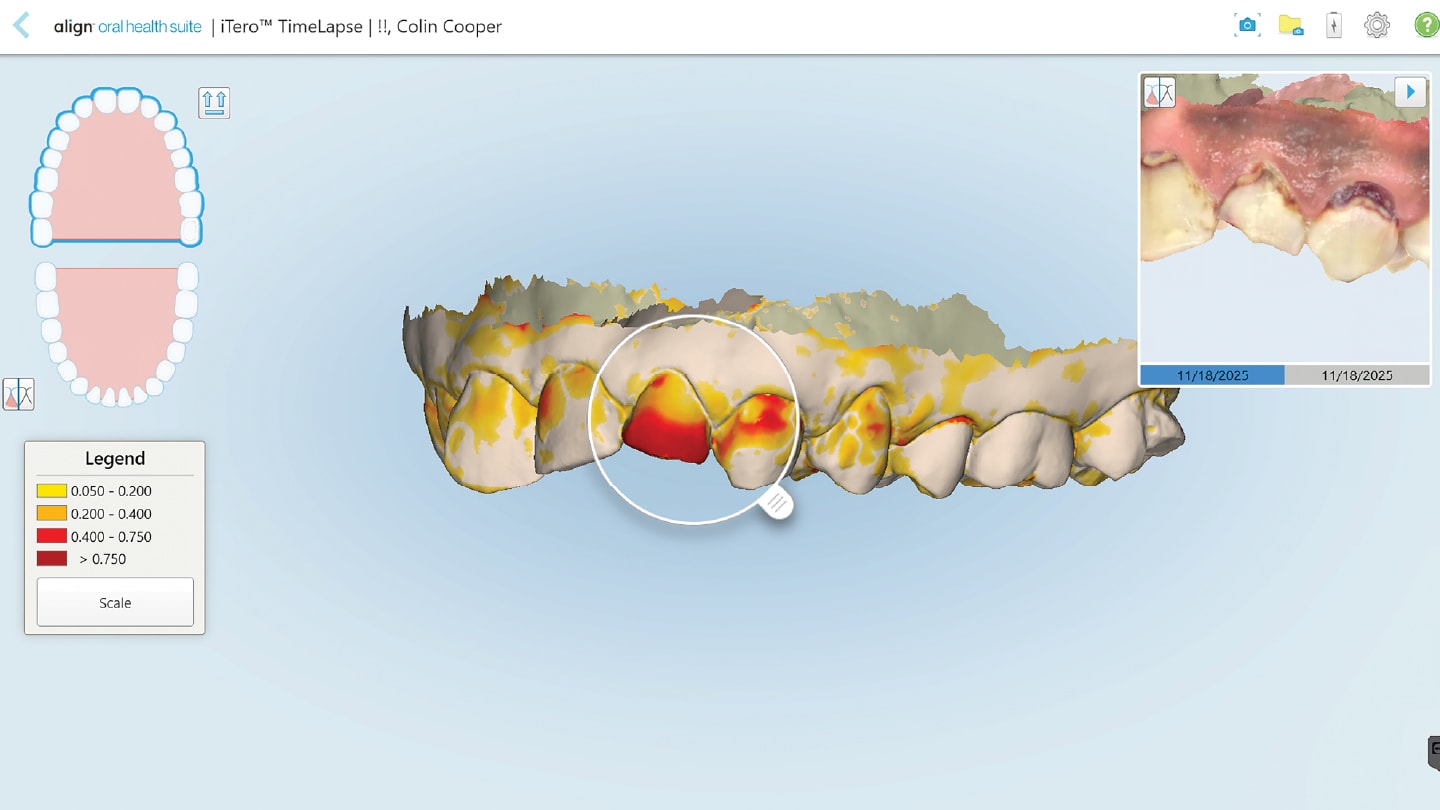
Figure 1
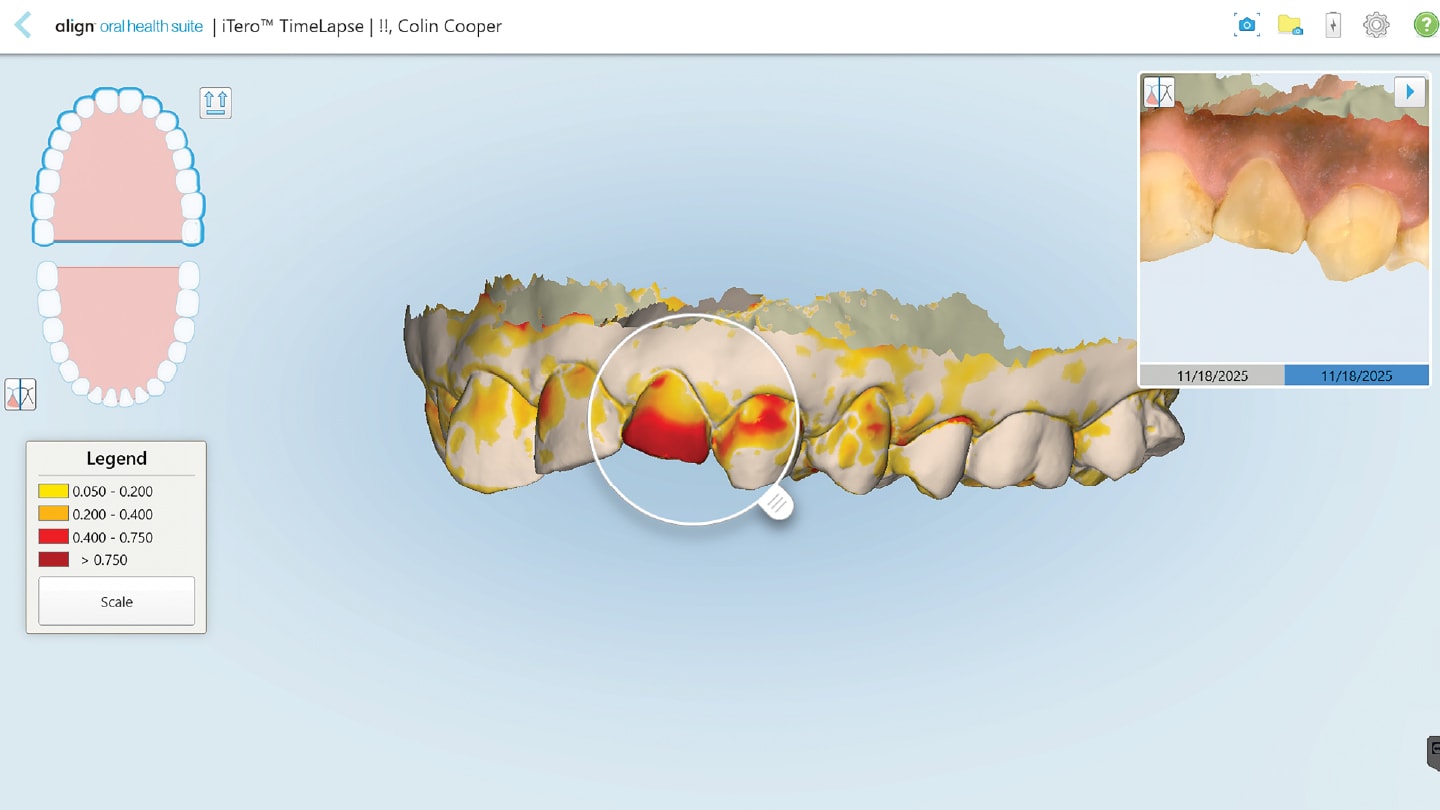
Figure 2
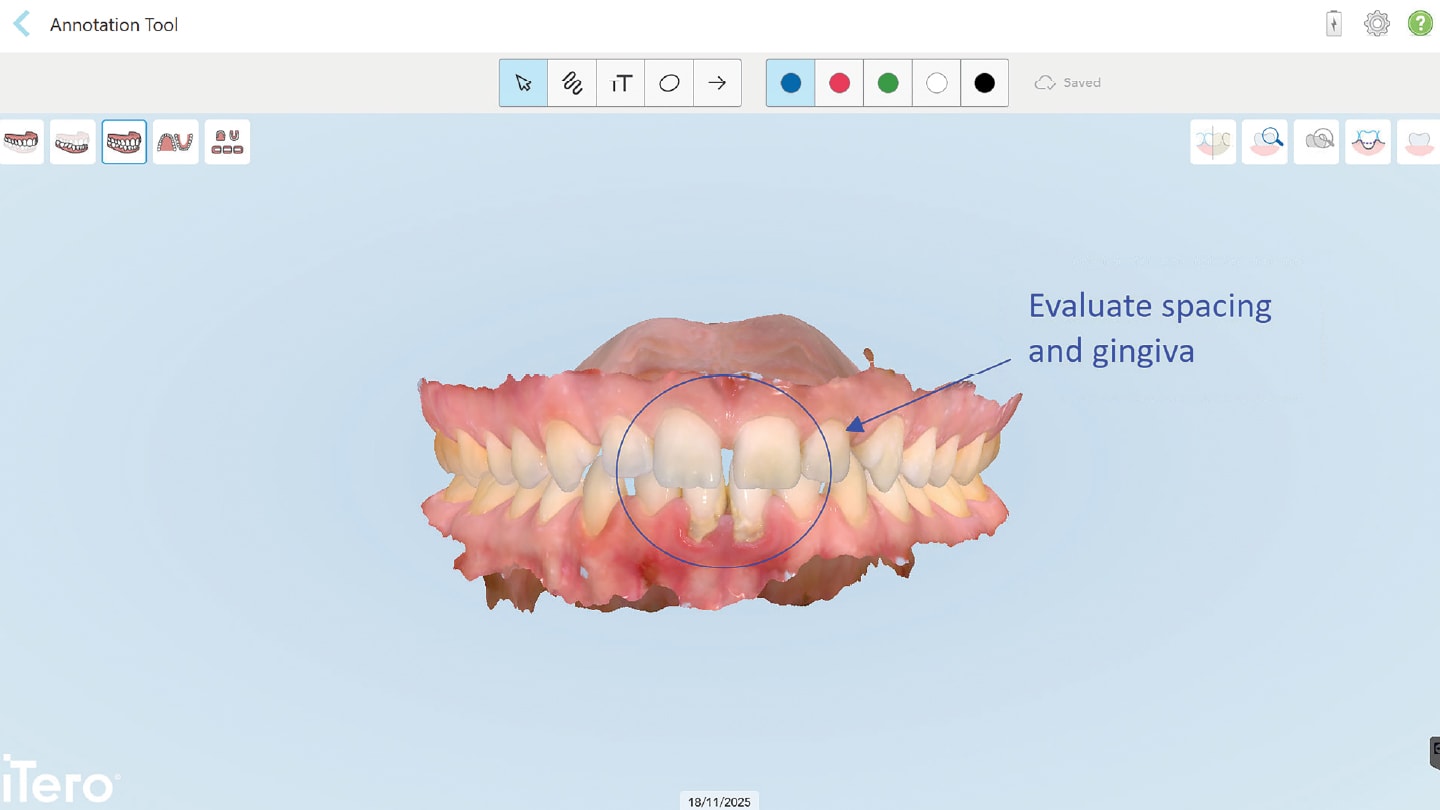
Figure 3
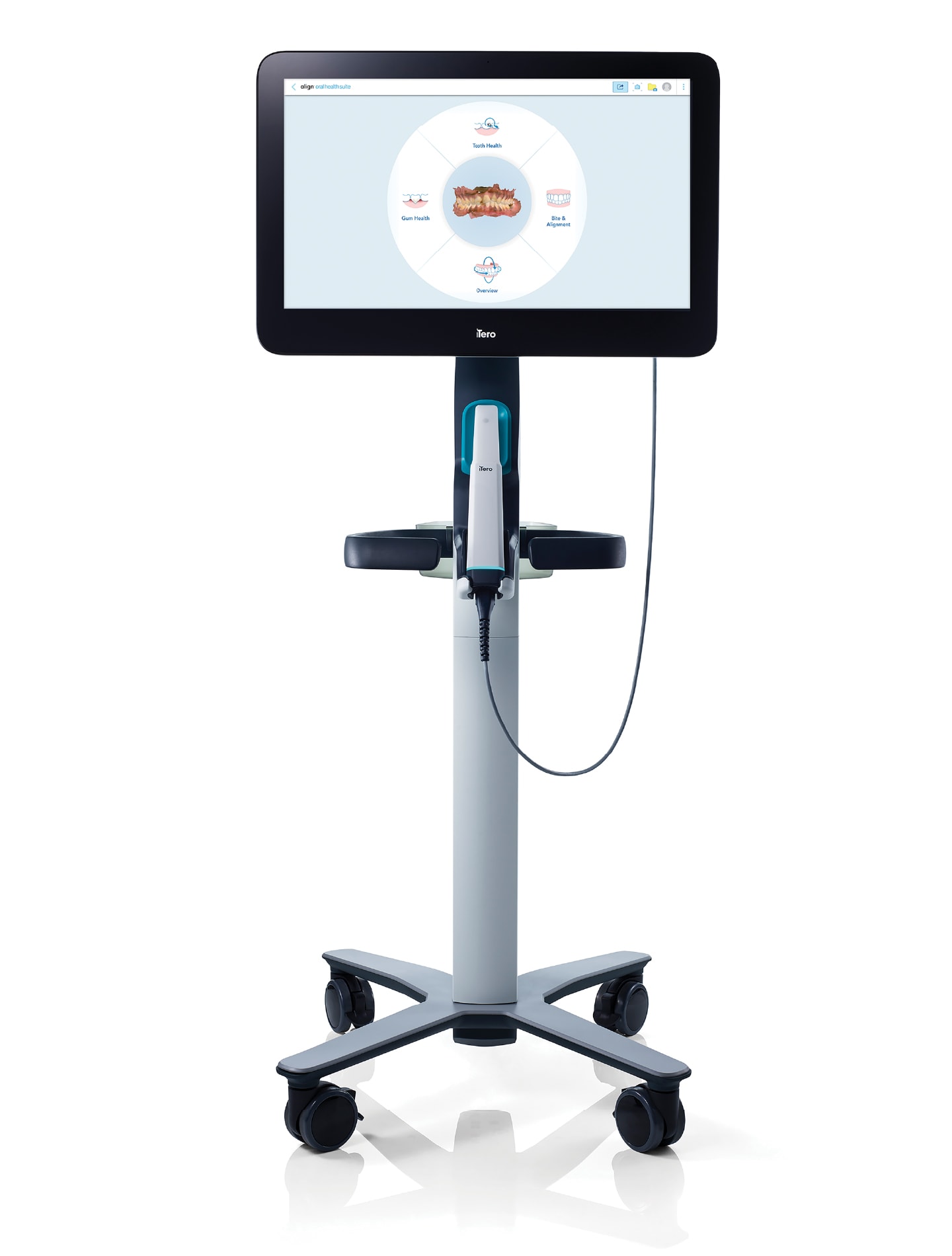
Figure 4
Jennifer Bell, DDS, MAGD